!!Save!!


Wildlife conservation is the practice of protecting wild plant and animal species and their habitat. Wildlife plays an important role in balancing the ecosystem and provides stability to different natural processes of nature like rainfall(transpiration from plant),changing of temperature(heat evolution by animals), fertility of soil (making of manure by earthworm). The goal of wildlife conservation is to ensure that nature will be around for future generations to enjoy and also to recognize the importance of wildlife and wilderness for humans and other species alike. Many nations have government agencies and NGO’s dedicated to wildlife conservation, which help to implement policies designed to protect wildlife. Numerous independent non-profit organizations also promote various wildlife conservation causes.

Wildlife conservation has become an increasingly important practice due to the negative effects of human activity on wildlife. An endangered species is defined as a population of a living species that is in the danger of becoming extinct because the species has a very low or falling population, or because they are threatened by the varying environmental or prepositional parameters like (land slides,increasement in temperature above optimum temperature, acid rain).
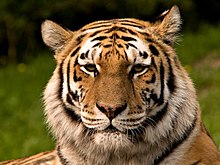
220px-Siberischer_tiger_de_edit02.jpg

The Siberian tiger is a subspecies of tiger that is endangered; three tiger subspecies are already extinct.

ewer natural wildlife habitat areas remain each year. Moreover, the habitat that remains has often been degraded to bear little resemblance to the wild areas which existed in the past. Habitat loss due to destruction, fragmentation, and degradation of habitat is the primary threat to the survival of wildlife.

  • Climate change: Global warming is making hot days hotter, rainfall and flooding heavier, hurricanes stronger and droughts more severe. This intensification of weather and climate extremes will be the most visible impact of global warming in our everyday lives. It is also causing dangerous changes to the landscape of our world, adding stress to wildlife species and their habitat. Since many types of plants and animals have specific habitat requirements, climate change could cause a disastrous loss of wildlife species. A slight drop or rise in average rainfall will translate into large seasonal changes. Hibernating mammals, reptiles, amphibians and insects are harmed and disturbed. Plants and wildlife are sensitive to moisture change so, they will be harmed by any change in moisture level. Natural phenomena like floods, earthquakes, volcanoes, lightning and forest fires also affect wildlife.
  • Unregulated Hunting and poaching: Unregulated hunting and poaching causes a major threat to wildlife. Along with this, mismanagement of forest department and forest guards triggers this problem.
  • Pollution: Pollutants released into the environment are ingested by a wide variety of organisms. Pesticides and toxic chemical being widely used, making the environment toxic to certain plants, insects, and rodents.
  • Overexploitation: Overexploitation is the overuse of wildlife and plant species by people for food, clothing, pets, medicine, sport, and many other purposes. People have always depended on wildlife and plants for food, clothing, medicine, shelter and many other needs. More resources are being consumed than the natural world can supply. The danger is that if too many individuals of a species are taken from their natural environment, the species may no longer be able to survive. The loss of one species can affect many other species in an ecosystem. The hunting, trapping, collecting and fishing of wildlife at unsustainable levels is not something new. The passenger pigeon was hunted to extinction, early in the last century, and over-hunting nearly caused the extinction of the American bison and several species of whales.
  • Deforestation: Humans are continually expanding and developing, leading to an invasion of wildlife habitats. As humans continue to grow, they clear forested land to create more space. This stresses wildlife populations as there are fewer homes and food sources for wildlife to survive.
  • Population: The increasing population of human beings is a major threat to wildlife. More people on the globe means more consumption of food, water, and fuel, therefore more waste is generated. Major threats to wildlife are directly related to the increasing population of human beings. Low population of humans results in less disturbance to wildlife.The activities like nuclear test ,use of phones,loudspeaker etc produced a harmful radiations which decreased the growth rate of animals and plants.These radiations also change the genetic order of DNA.Nowadays governments were making a law to restricted the use of loudspeaker,fire crackers and many harmful substances.
  • Culling: Culling is the deliberate and selective killing of wildlife by governments as a population control measure. An example of this is shark culling, in which Australian government shark control programs have killed thousands of sharks, as well as turtles, dolphins, whales, and other marine life. There are also examples of population culling in the United States, such as bison in Montana and swans, geese, and deer in New York and other places.
Live Wild

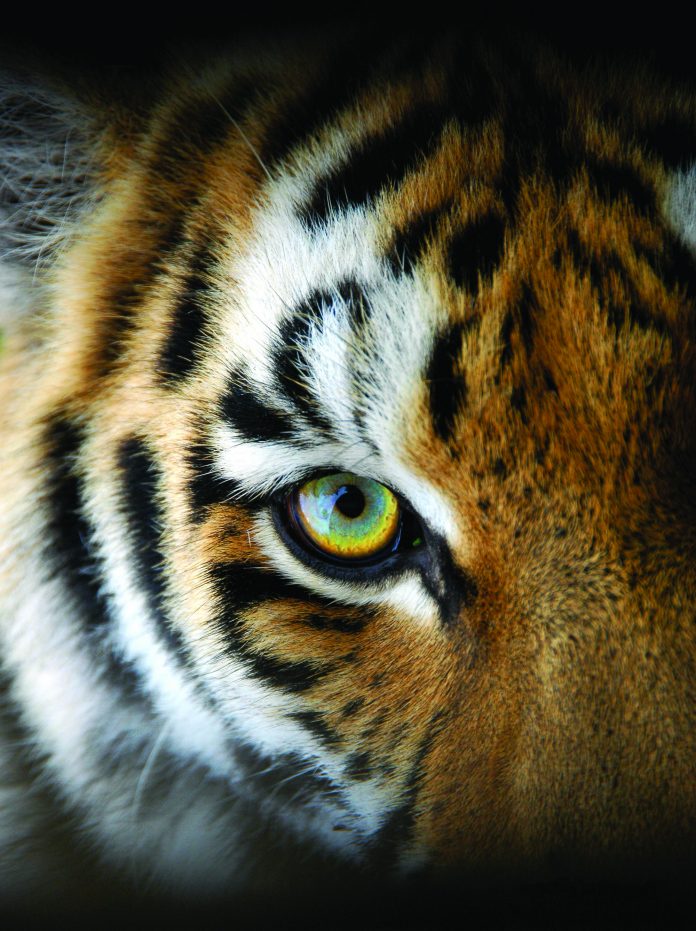
sumatran-tiger-shutterstock_51145033-696x931.jpg

This Sumatran tiger is among the many wildlife species under threat of extinction. (© Wiklander/Shutterstock)

There are more than 7 billion people on Earth. Imagine if every one of us committed to do one thing — no matter how small — to protect wildlife every day. Even minor actions can have a major impact when we all work together. Here are ways you can make a difference:

1. Adopt. From wild animals to wild places, there’s an option for everyone. Get together with classmates to adopt an animal from a wildlife conservation organization such as the World Wildlife Fund (WWF). Symbolic adoptions help fund organizations.

2. Volunteer. If you don’t have money to give, donate your time. Many organizations and zoos have volunteer programs. You can help clean beaches, rescue wild animals or teach visitors.

3. VisitZoos, aquariums, national parks and wildlife refuges are all home to wild animals. Learn more about our planet’s species from experts. See Earth’s most amazing creatures up close.

4. Donate. When you visit your local accredited zoos and nature reserves, pay the recommended entry fee. Your donations help maintain these vital conservation areas.

5. Speak Up. Share your passion for wildlife conservation with your family. Tell your friends how they can help. Ask everyone you know to pledge to do what they can to stop wildlife trafficking.

6. Buy Responsibly. By not purchasing products made from endangered animals or their parts, you can stop wildlife trafficking from being a profitable enterprise.

7. Pitch In. Trash isn’t just ugly, it’s harmful. Birds and other animals can trap their heads in plastic rings. Fish can get stuck in nets. Plus, trash pollutes everyone’s natural resources. Do your part by putting trash in its place.

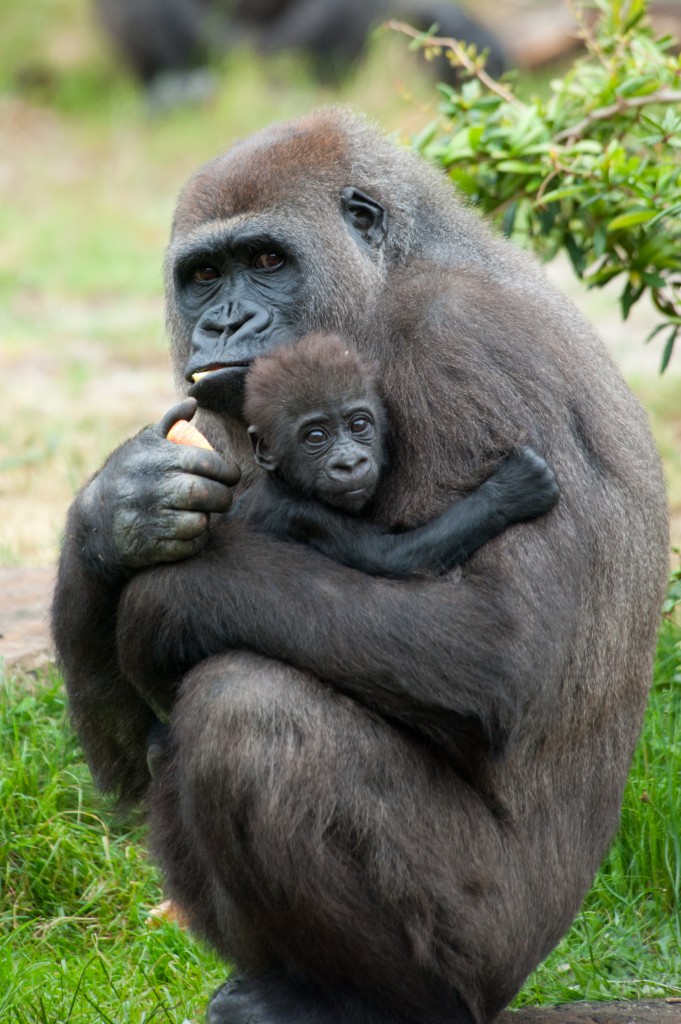
gorilla-and-baby-shutterstock_80304193-681x1024.jpg

8. Recycle. Find new ways to use things you already own. If you can’t reuse, recycle. The Minnesota Zoo encourages patrons to recycle mobile phones to reduce demand for the mineral coltan, which is mined from lowland gorillas’ habitats.

9. Restore. Habitat destruction is the main threat to 85 percent of all threatened and endangered species, according to the International Union for Conservation of Nature. You can help reduce this threat by planting native trees, restoring wetlands or cleaning up beaches in your area.

10. Join. Whether you’re into protecting natural habitats or preventing wildlife trafficking, find the organization that speaks to your passion and get involved. Become a member. Stay informed. Actively support the organization of your choice.

World Wildlife Day, held March 3, celebrates the diversity of the planet’s plants and animals. Follow @WildlifeDay on Twitter, and use hashtag #WorldWildlifeDay to join the conversation.

Save the Beach Maldives

The Earth is currently undergoing a climate change of historic proportion, with sea levels rising noticeably from the melting of glaciers and icebergs. If the trend continues, the Maldives will be completely submerged in 30 years. One should start planning soon as the Maldives is disappearing under the ocean.

An inch of sea level rise means life threatening in the years to come. Beach erosion has been happening to many islands of the Maldives, at least for the past 30 years. … This may be the best indication that sea level is rising and Maldives is slowly sinking.


Reef Monitoring & Rehabilitation Project

P9232682-280x186.jpg

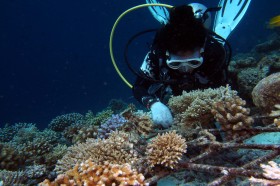
This is a project intended to rehabilitate and conserve the coral reefs of Villingili through community based coral reef rehabilitation and monitoring. We believe that rehabilitating and maintaining healthy coral reefs are essential for the country’s fishing and tourism industries and for developing resilience to climate change in these vulnerable islands. By experimenting and demonstrating a successful community based coral reef management system and sharing our experiences with other similar organizations, we can work within the island communities to share experiences and develop such projects in the future.

Villingili, being the 5th ward of the capital city, Male’, has a population estimate of 12 – 15,000. It is also where most locals from the capital city regularly go for picnics and barbeques since Male’ does not really have beaches anymore and is overcrowded with tightly packed buildings and too many vehicles. Villingili used to have a rich lagoon area with a wide variety of coral species and the reef also had a rich biodiversity consisting of different species of eels, turtles, rays and sharks. However, reclamation of land has destroyed the habitats and sightings have become very rare. At present, we have started to notice re-growth of the ecosystem with more frequent sightings of baby sharks and varieties of coral growth.

This gives us an opportunity to support the coral reef growth by planting more corals and training community members to regularly monitor the reefs and collect data. This information would be vital in identifying the strengths and weaknesses of this project and also useful for sharing with other such projects. The tests proposed alongside the coral farming project are fish counts, reef checks, shark watches and water tests. Fish counts and shark watches would help us identify trends of fish species in this reef and monitor their growth. Reef check is a comprehensive test for the overall health of the reef. Water tests would help us identify the conditions which work best for which corals.

This project also has an awareness raising component where we plan to inform the public through TV infomercials, social media and our website. We plan to develop our website as a public forum where our activities and reports can be viewed and discussed. This way there will be an open platform for environmentally active community members and field experts to interact and share knowledge and practices. Through these activities, we want to create awareness on the present state and the importance of conserving coral reefs and inspire more community based initiatives and inspire people to work actively with government authorities in achieving the objectives envisioned in the National Biodiversity Strategy and Action Plan of the Maldives.


Beach Conservation and Cleanup

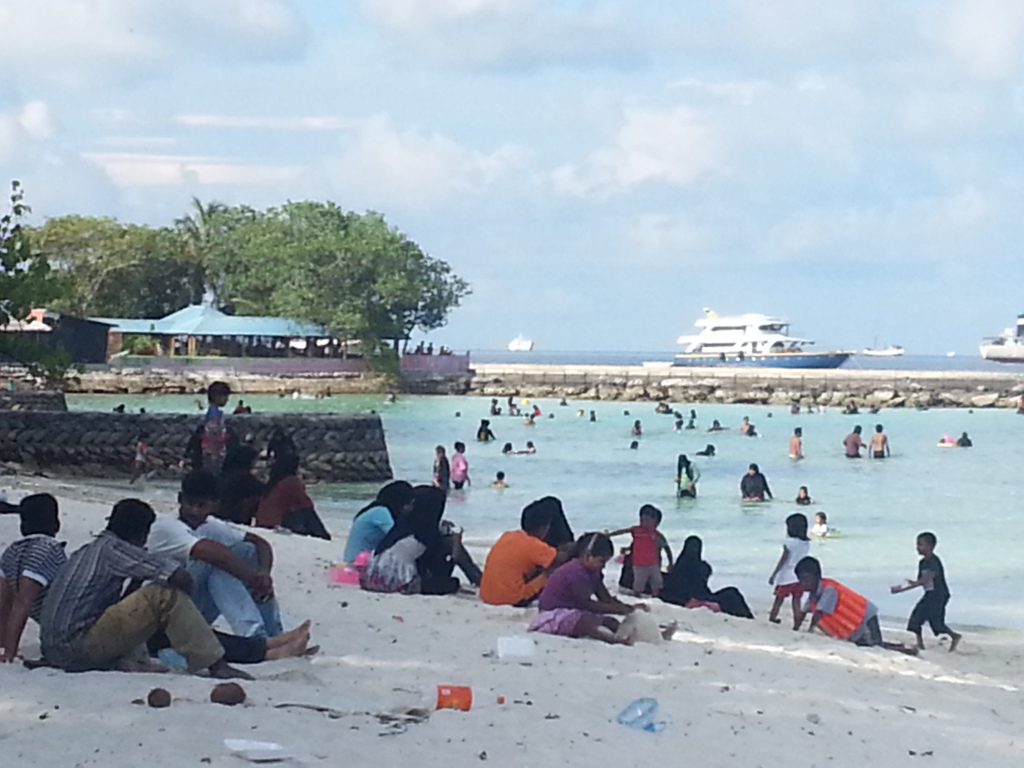
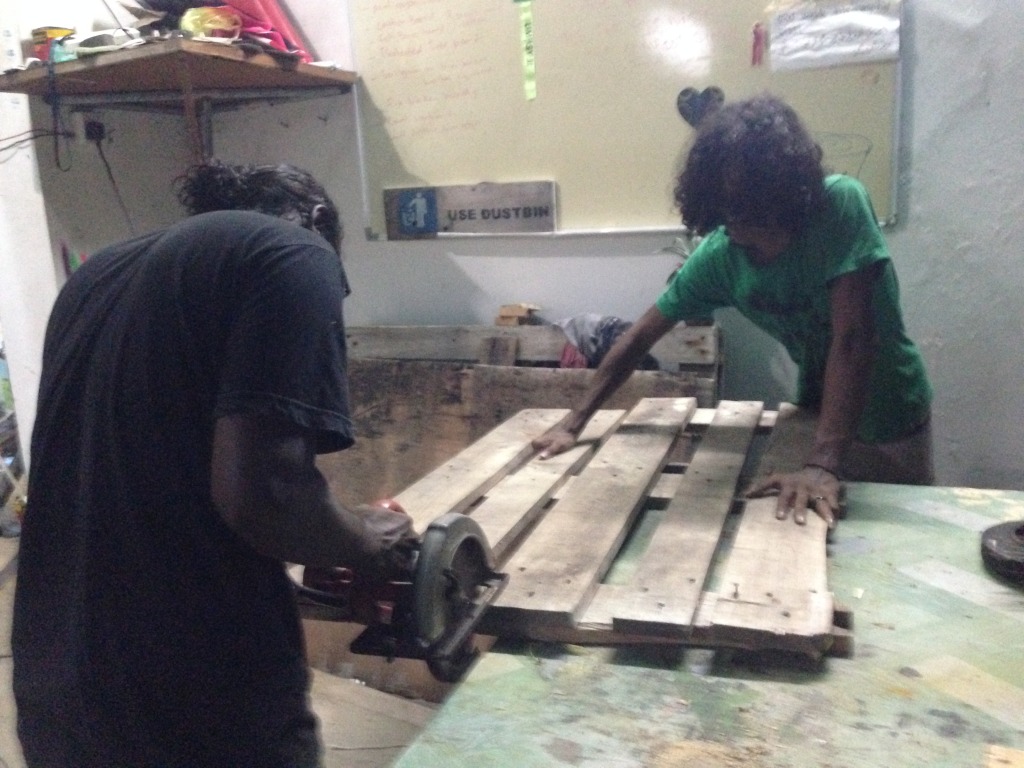
Prior to officially starting this programme in 2012, Save the Beach hosted annual cleanup events as part of the campaign to cleanup the beaches of Villimale’ and to raise awareness about the issue of marine and beach pollution. Villimale’s beaches are the only natural beaches left in the capital city, and can be said to be the most used beaches in all of Maldives.

people-on-the-beach-1024x768.jpg

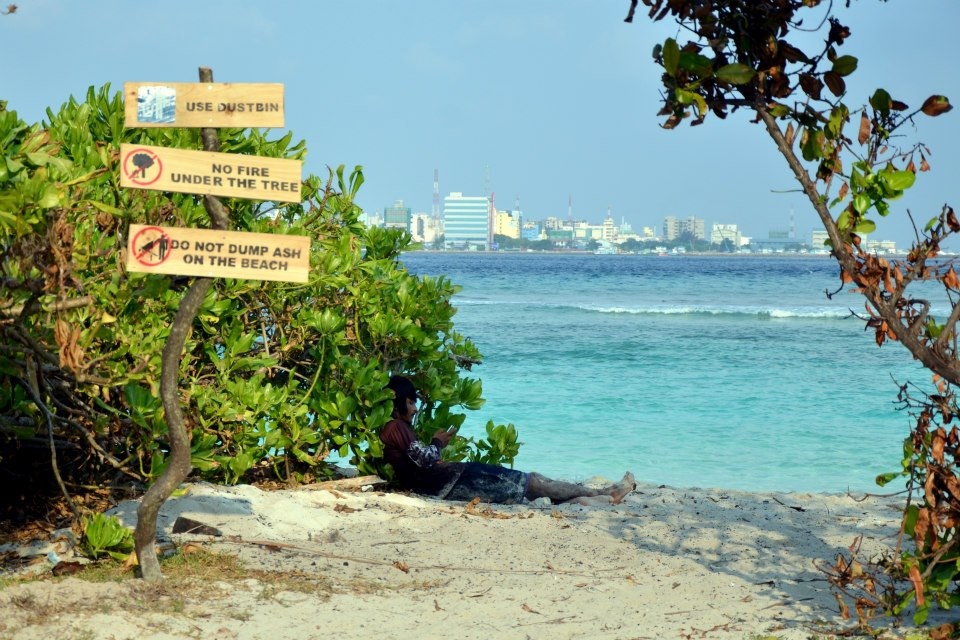
From 2012  until March 2013 when dustbins were placed on the beach as part of the programme run by Save the Beach, the beach had been cleaned only on Saturdays, and by volunteers.

more-piles-of-waste-1024x768.jpg

garbage-resized-small-blog.jpg

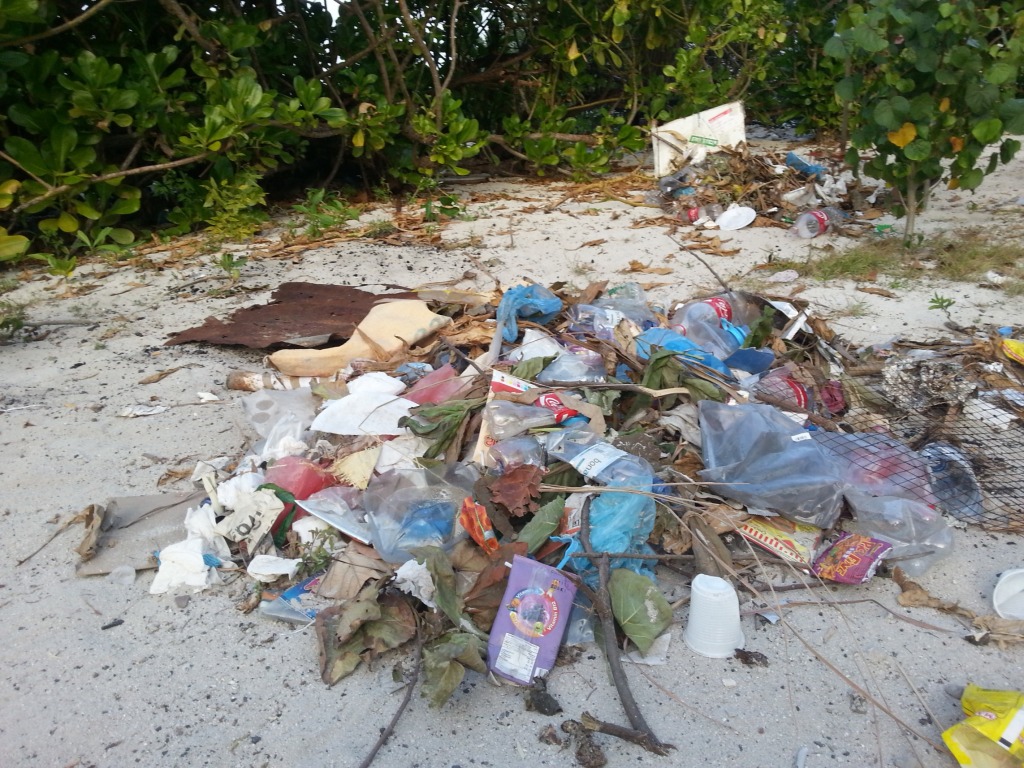
Since March 2013, Save the Beach has been cleaning litter from the beaches and cleaning out the trash can liners/bags daily. The dustbins have been placed in pairs to introduce waste segregation at a later stage.

making-cubicle-sides-1024x768.jpg


img_3350.jpg

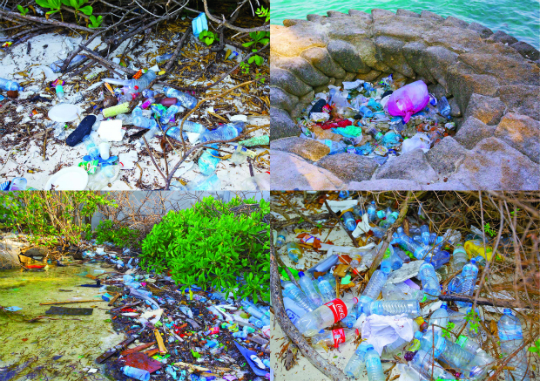
As part of this project, public participation cleanup events and awareness programs are conducted regularly. Litter audits are also carried out to measure effectiveness of programs and to quantify littering habits of people.

Crazy Food Delicacies From Around the World

Around the world there is so o much weird kinds of food around the world maybe some might be gross to hear and look at but its not as it seems it may look bad but

it tastes great here’s a list of 5 Weird Food Delicacies From Around the World

Balut

Balut is a developing bird embryo that is boiled and eaten from the shell. It originated from and is commonly sold as street food in the Philippines. Often served with beer, balut is popular in Southeast Asian countries, such as Laos, Cambodia, Thailand and Vietnam. The Tagalog and Malay word balot means “wrapped”.
download.jpg

Casu marzu

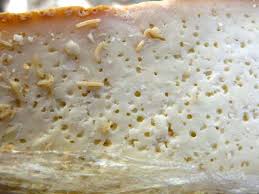
Casu marzu, also called casu modde, casu cundídu and casu fràzigu in Sardinian, is a traditional Sardinian sheep milk cheese that contains live insect larvae. A similar cheese, casgiu merzu, is found in Corsica.

download (1).jpg

download (2)

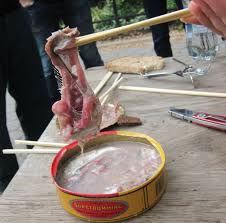
Surströmming

The Baltic herring, known as strömming in Swedish, is smaller than the Atlantic herring, found in the North Sea. Traditionally, the definition of strömming is “herring fished in the brackish waters of the Baltic north of the Kalmar Strait.The herring used for surströmming are caught just prior to spawning.

Enjoy the surströmming wrapped in buttered tunnbröd (a sweetened flat bread) or eat it from a plate. For the best experience it should be served with freshly boiled sliced almond potatoes, diced onion, sour cream and fresh dill.Surströmming tastes even better with beer and your close friends.

download.jpg

Shirako

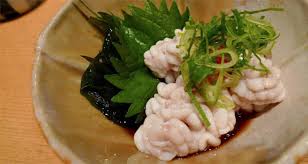
Milt is the seminal fluid of fish, mollusks, and certain other water-dwelling animals who reproduce by spraying this fluid which contains the sperm, onto roe.

download (1)

Tuna eyeballs

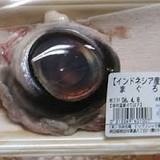
Tuna eye, literally the eye of a tuna fish, is fairly uncommon in most parts of the world, though it is served at some places in Japan and Southeast Asia. While it’s certainly not for the squeamish, tuna eye has a fatty, rich flavor that many adventurous eaters enjoy.

download.jpg