The Earth is currently undergoing a climate change of historic proportion, with sea levels rising noticeably from the melting of glaciers and icebergs. If the trend continues, the Maldives will be completely submerged in 30 years. One should start planning soon as the Maldives is disappearing under the ocean.
An inch of sea level rise means life threatening in the years to come. Beach erosion has been happening to many islands of the Maldives, at least for the past 30 years. … This may be the best indication that sea level is rising and Maldives is slowly sinking.
Reef Monitoring & Rehabilitation Project
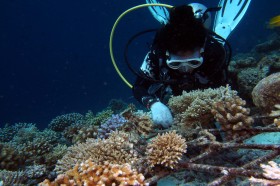
This is a project intended to rehabilitate and conserve the coral reefs of Villingili through community based coral reef rehabilitation and monitoring. We believe that rehabilitating and maintaining healthy coral reefs are essential for the country’s fishing and tourism industries and for developing resilience to climate change in these vulnerable islands. By experimenting and demonstrating a successful community based coral reef management system and sharing our experiences with other similar organizations, we can work within the island communities to share experiences and develop such projects in the future.
Villingili, being the 5th ward of the capital city, Male’, has a population estimate of 12 – 15,000. It is also where most locals from the capital city regularly go for picnics and barbeques since Male’ does not really have beaches anymore and is overcrowded with tightly packed buildings and too many vehicles. Villingili used to have a rich lagoon area with a wide variety of coral species and the reef also had a rich biodiversity consisting of different species of eels, turtles, rays and sharks. However, reclamation of land has destroyed the habitats and sightings have become very rare. At present, we have started to notice re-growth of the ecosystem with more frequent sightings of baby sharks and varieties of coral growth.
This gives us an opportunity to support the coral reef growth by planting more corals and training community members to regularly monitor the reefs and collect data. This information would be vital in identifying the strengths and weaknesses of this project and also useful for sharing with other such projects. The tests proposed alongside the coral farming project are fish counts, reef checks, shark watches and water tests. Fish counts and shark watches would help us identify trends of fish species in this reef and monitor their growth. Reef check is a comprehensive test for the overall health of the reef. Water tests would help us identify the conditions which work best for which corals.
This project also has an awareness raising component where we plan to inform the public through TV infomercials, social media and our website. We plan to develop our website as a public forum where our activities and reports can be viewed and discussed. This way there will be an open platform for environmentally active community members and field experts to interact and share knowledge and practices. Through these activities, we want to create awareness on the present state and the importance of conserving coral reefs and inspire more community based initiatives and inspire people to work actively with government authorities in achieving the objectives envisioned in the National Biodiversity Strategy and Action Plan of the Maldives.
Beach Conservation and Cleanup
Prior to officially starting this programme in 2012, Save the Beach hosted annual cleanup events as part of the campaign to cleanup the beaches of Villimale’ and to raise awareness about the issue of marine and beach pollution. Villimale’s beaches are the only natural beaches left in the capital city, and can be said to be the most used beaches in all of Maldives.
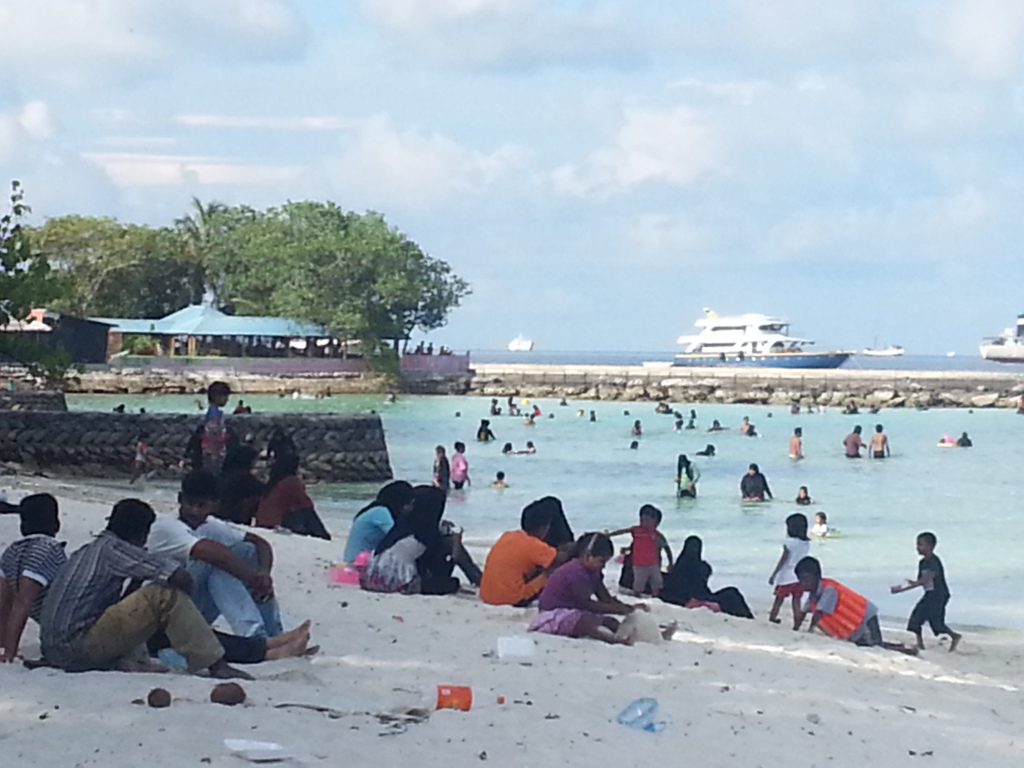
From 2012 until March 2013 when dustbins were placed on the beach as part of the programme run by Save the Beach, the beach had been cleaned only on Saturdays, and by volunteers.
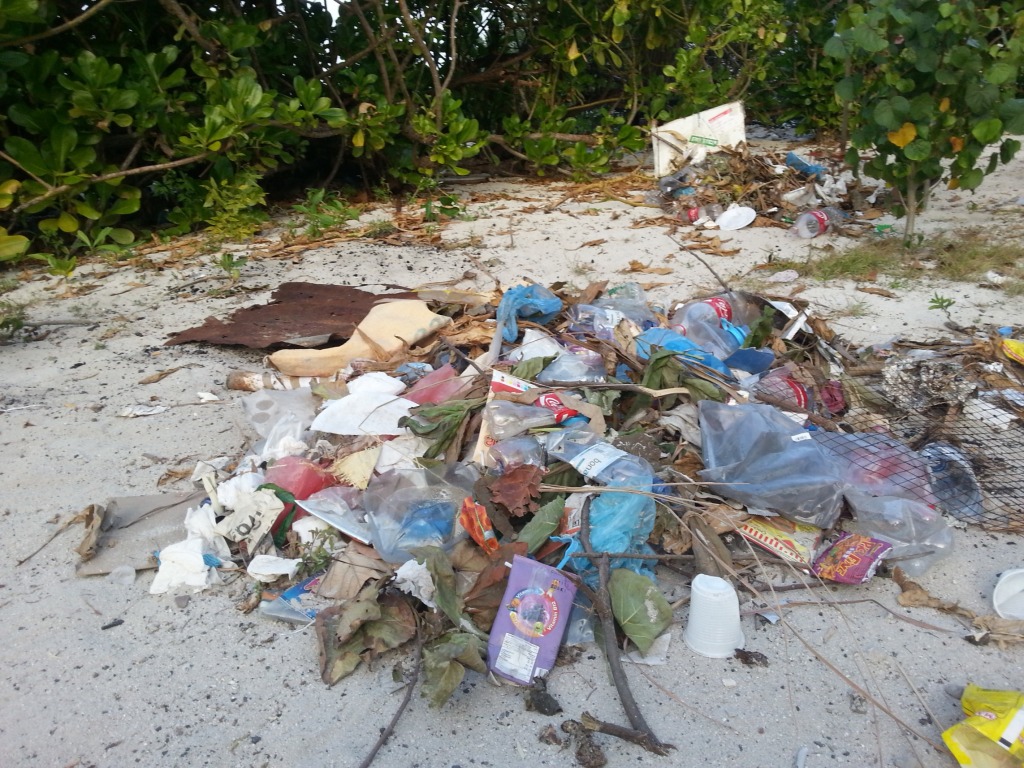
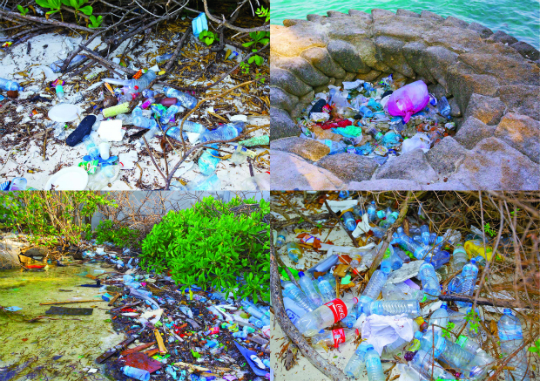
Since March 2013, Save the Beach has been cleaning litter from the beaches and cleaning out the trash can liners/bags daily. The dustbins have been placed in pairs to introduce waste segregation at a later stage.
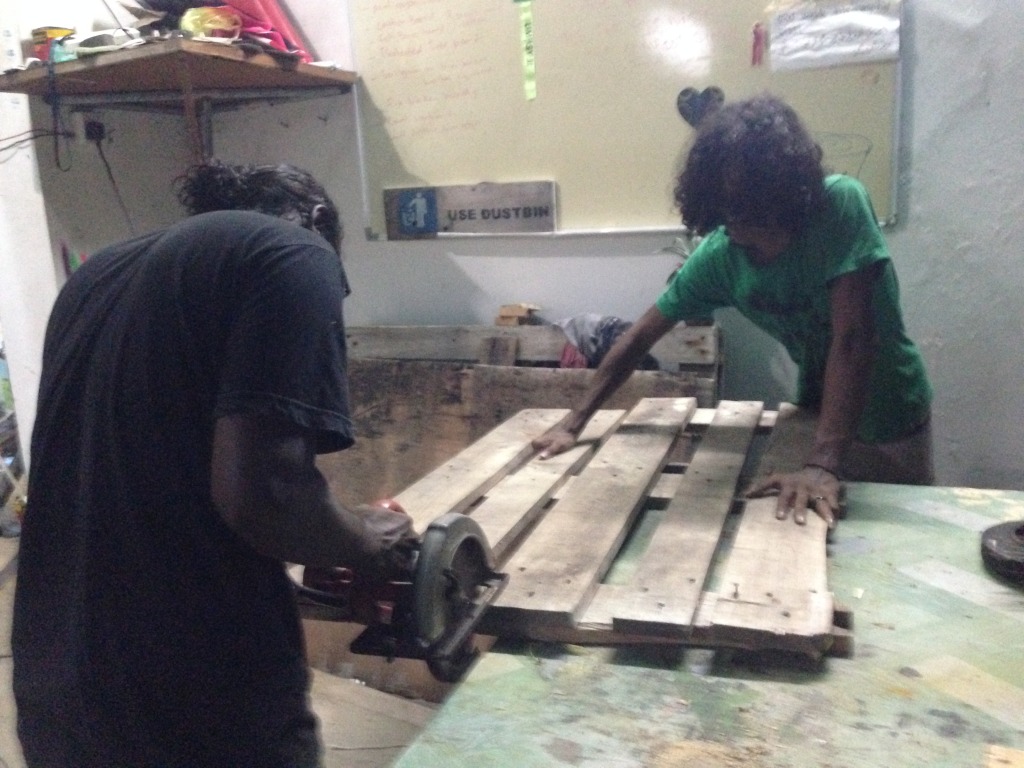
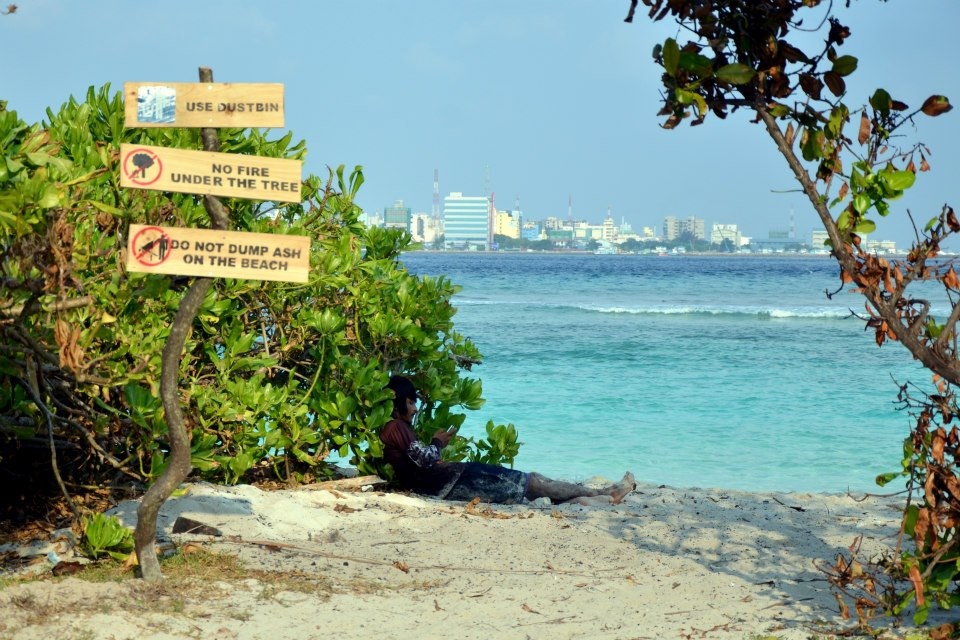
As part of this project, public participation cleanup events and awareness programs are conducted regularly. Litter audits are also carried out to measure effectiveness of programs and to quantify littering habits of people.

 tripguider